
Therapeutic Diet Guide
Cirrhosis Diet Plan
High-Protein, Low-Sodium Nutrition to Support and Protect Liver Function.
Patient education — medical review pendingWebsite updated: 5 October 2026
Diet Introduction
Liver cirrhosis requires specific diet therapies to prevent malnutrition, fluid accumulation (ascites), and brain complications (hepatic encephalopathy). A balanced low-sodium, nutrient-rich plan is vital.
Who Should Follow This Diet?
Patients diagnosed with Liver Cirrhosis or severe fatty liver hepatology stages
Individuals suffering from fluid retention (swollen legs or abdomen)
Patients needing liver-protective, easy-to-digest nutrition structures
Foods to Eat
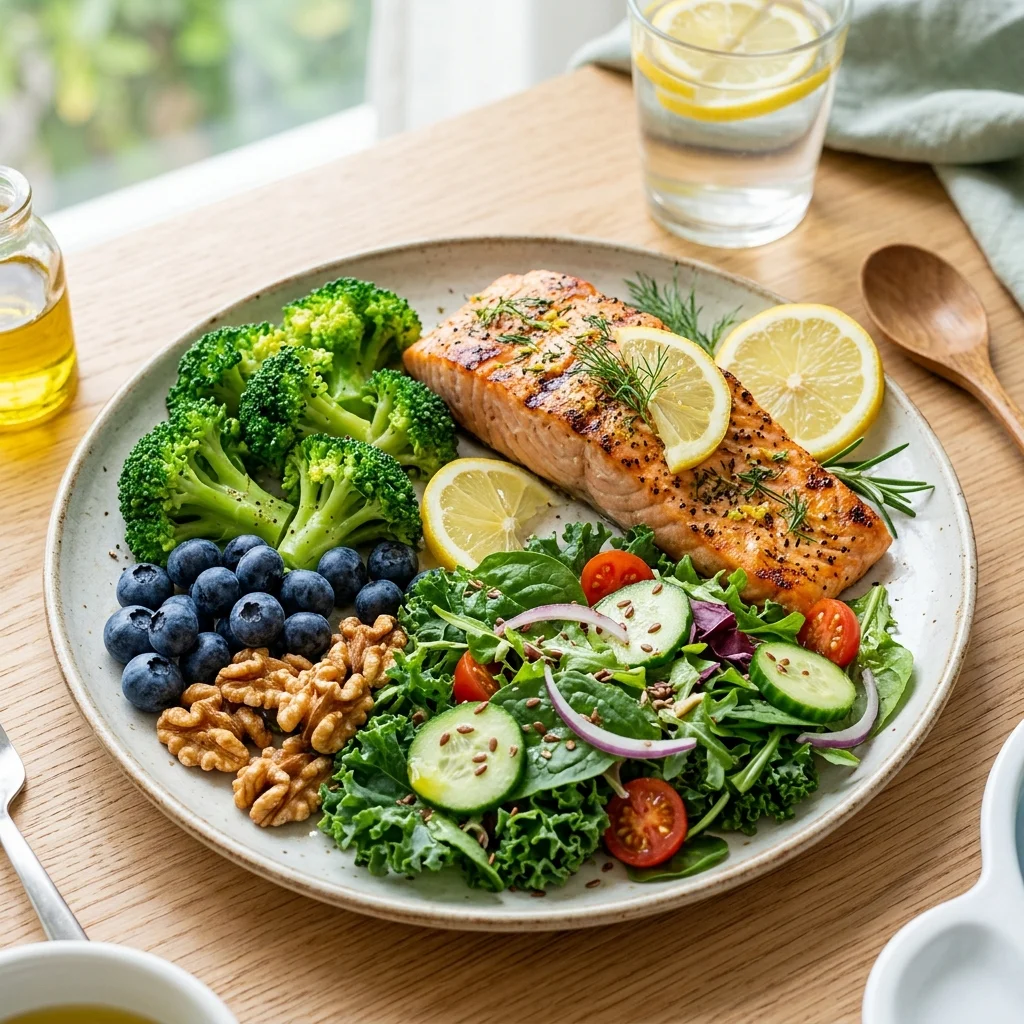
- High-quality lean proteins (Egg whites, Poultry, Fish, Dairy paneer)
- Vegetable proteins (Beans, Peas, Legumes)
- Complex carbohydrates (Oats, Whole grains, Brown rice)
- Fresh low-sodium vegetables and fruits
- Healthy fats (Olive oil, Avocado, Flaxseeds)
Foods to Avoid
- High-sodium food (Table salt, Packaged chips, Canned soups, Pickles)
- Raw or undercooked shellfish and seafood (due to high infection risks)
- Alcohol in all forms (absolutely prohibited)
- Highly processed fats and trans-fats (Fried fast food)
- Excess refined sugar and heavy red meats
Calorie Meal Plan & Daily Options
| Meal | Recommended Options |
|---|---|
| Breakfast | Egg white omelet with spinach and mushrooms, or oatmeal with walnuts and almond milk. |
| Lunch | Grilled chicken breast or tofu stir-fry with mixed vegetables and brown rice (unsalted). |
| Evening Snack | Low-sodium paneer slice with apple slides or unsalted roasted seeds. |
| Dinner | Steamed fish or lentil stew with baked sweet potatoes, carrots, and green peas. |
Frequently Asked Questions
Cirrhosis prevents the kidneys from processing sodium correctly, leading to severe fluid build-up in the belly (ascites) and legs.
Adequate protein is important in cirrhosis, including with encephalopathy. Do not restrict it on your own; ask your clinician or dietitian for an individual target, especially with kidney disease.
Nutrition notes
- When advised for ascites, a target of about 2,000 mg sodium corresponds to about 5 g total salt from all foods. Confirm your individual target with the treating team.
- Eat small, frequent meals throughout the day (5-6 times) to prevent muscle loss, which is common in cirrhosis.
- Completely abstain from alcohol to prevent rapid progression of liver injury.
Share Diet Plan
Related Clinical Services
Related Diet Plans
Celiac Disease Diet Plan (Patient Nutrition Guide)Liver Cirrhosis Diet Plan (Dr. Rajendra Bhati Standard)Low FODMAP Diet PlanPersonalized Gastro Diet PlanLow & High FODMAP Foods Chart for Indian DietDiet Chart for Weight Loss (1200 Kcal, 1600 Kcal & 2000 Kcal)Fatty Liver (MASLD / NAFLD) Diet PlanGERD & Acidity Diet Plan
Need a Customized Diet?
Consult Dr. Bhati to structure nutrition guides mapped to your laboratory screening reports.