Therapeutic Diet Guide
Celiac Disease Diet Plan (Patient Nutrition Guide)
Authentic 100% Gluten-Free Nutrition for Bowel & Mucosal Recovery.
Patient education — medical review pendingWebsite updated: 5 October 2026
Diet Introduction
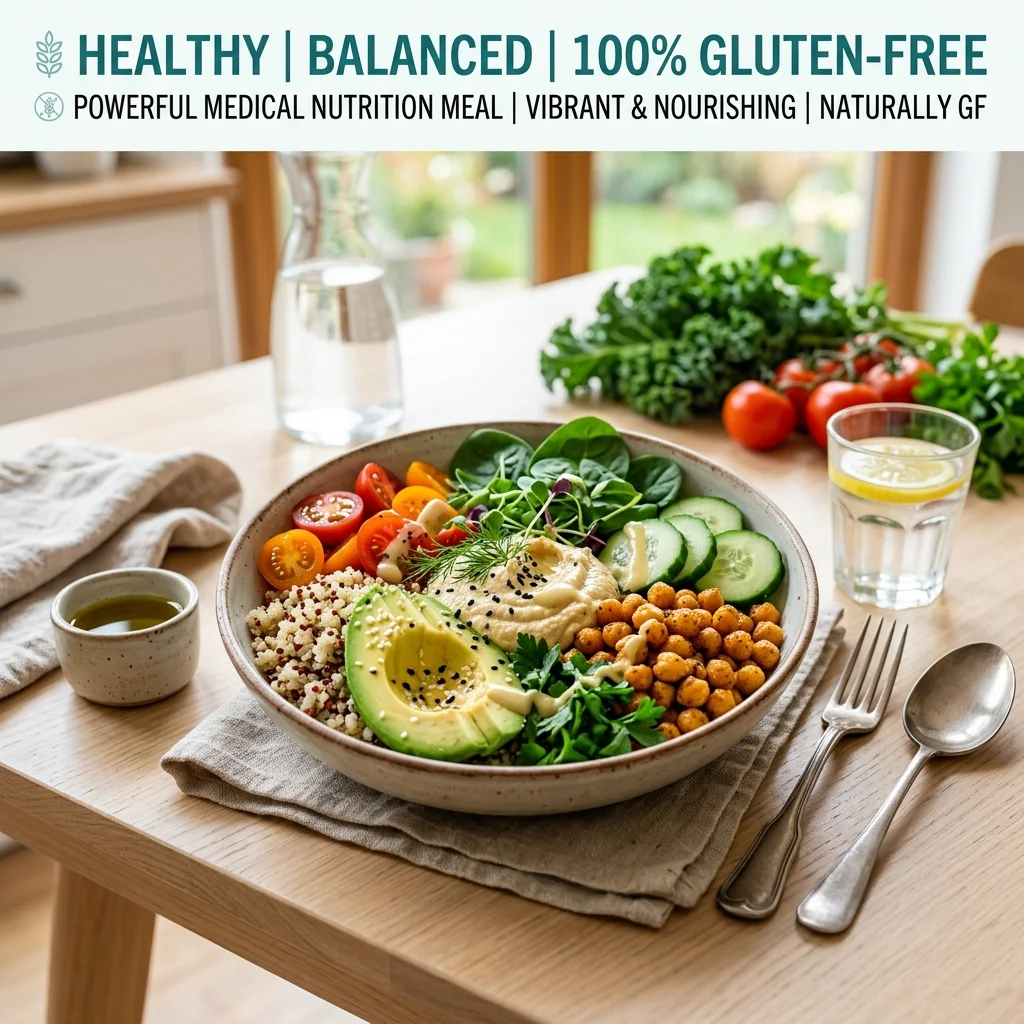
Celiac disease is a severe autoimmune disorder where consuming gluten (a protein found in wheat, barley, and rye) causes immune-mediated destruction of the small intestinal villi. As general patient education, this comprehensive clinical guide provides a lifelong, 100% gluten-free nutrition plan essential for gut healing and optimal nutrient absorption.
Who Should Follow This Diet?
Patients diagnosed with Celiac Disease via intestinal biopsy & Anti-tTG testing (Anti tTG > 10)
Individuals with severe Non-Celiac Gluten Sensitivity (NCGS)
People suffering from chronic bloating, gas, diarrhea, weight loss, and anemia linked to wheat intake
Foods to Eat
- Dairy Products: Fresh milk, curd (yogurt), paneer (cottage cheese), buttermilk (lassi), khoya
- All Pulses & Legumes: Whole lentils, chickpeas, rajma (kidney beans), chawli, chana, besan (gram flour), all split & washed lentils
- Fresh Fruits & Vegetables: All fresh fruits and green leafy vegetables
- Oils & Fats: Mustard oil, refined oils, pure desi ghee, butter
- Sugars & Sweeteners: Sugar, jaggery (gur), honey
- All Dry Fruits: Almonds, cashews, raisins, pistachios, walnuts
- Pure Unadulterated Spices
- Snacks & Namkeen: Gram flour sev, rice-urad idli, banana chips, popcorn, roasted chana, sprouted lentils, chana tikki, veg cutlet, home-made besan chilla/pakoda, puffed rice chaat, ghee-roasted makhana
Foods to Avoid
- Grains to Exclude: Wheat, Barley (Jau), Rye (Jav)
- Wheat Derivatives: Wheat flour (Atta), broken wheat (Daliya), semolina (Suji), refined flour (Maida), vermicelli (Sevaiya), wheat flakes, regular roti, tandoori roti, kulcha, naan, bhatoora, chowmein, upma, pasta, macaroni, Maggi noodles
- Commercial Snacks & Fast Food: Samosa, mathri, commercial mix namkeen, bread, cake, biscuits, noodles, rava idli, pav, namakpare, momos, burger, chilli potato, manchurian, fan, gol-gappa, pizza, buns, bakery items
- Commercial Sweets: Market-bought sweets, milk cake, wheat flour laddus, suji laddus, balushahi, sevai kheer, panjiri, peda, gujiya, malpua, nankhatai, shakkarpara, ghevar
- Other Processed Products: Toffees, chocolates, custard powder, chewing gum, white vinegar, baking powder, commercial pickles, canned soups, Horlicks, Bournvita, Boost, Complan, commercial ice cream or ice cream mixes
Safe Flours & Roti Combinations
Soybean flour (1 kg) + Rice flour (3 kg)
Besan (1 kg) + Rice flour (3 kg)
Chana flour (1 kg) + Rice flour (3 kg)
Besan (1 kg) + Maize (Corn) flour (1 kg)
Bajra (Pearl Millet) flour
Makka (Maize) flour
Pure Besan (Gram flour)
Moong Dal flour
Jowar (Sorghum) flour
Rice flour
Water Chestnut (Singhara) flour
Buckwheat (Kuttu) flour
Ragi (Finger Millet) flour
All Millets: Foxtail (Kakum), Little (Kutki), Barnyard (Sanwa), Kodo, Proso (China), Rajgira (Amaranth)
Home-made Sweets, Halwa & Kheer
Home-made Sweets: Khoya barfi, cashew barfi, coconut barfi, besan laddu, gajak, phirni, petha
Gulab Jamun or Jalebi made using rice flour
Halwa: Carrot (Gajar), bottle gourd (Lauki), besan, or dal halwa
Kheer: Rice, tapioca (Sabudana), makhana, carrot, coconut, or Sama rice kheer
Special Kitchen & Preparation Tips
To make roties soft, knead the dough with warm water, warm milk, fresh cream (malai), or oil.
Always consume freshly prepared hot roties.
When preparing cakes or biscuits at home, substitute wheat flour/maida with maize flour, bajra flour, or arrowroot starch.
Use rice flour or arrowroot powder instead of cornstarch to thicken soups.
Crucial Kitchen Precautions (Cross-Contamination Prevention)
Utensils used for cooking Celiac meals must be thoroughly cleaned and completely free of wheat flour residue.
Maintain dedicated rolling pin (belan), rolling board (chakla), and dough kneading vessel exclusively for Celiac preparation.
Cook on a clean tawa and never store Celiac roties together with regular wheat roties.
Use certified gluten-free flour as dry dusting flour (parothan) during rolling.
Keep ghee or butter for applying on Celiac roties in a separate clean container.
Do not use Asafoetida (Hing) in cooking, as commercial hing contains wheat starch as a filler.
Ensure spices are ground in a dedicated spice mill free from wheat cross-contamination.
Always inspect ingredient labels on packaged foods to verify 100% Gluten-Free status.
Consult your Gastroenterologist & Dietitian regularly for ongoing nutritional assessment.
Calorie Meal Plan & Daily Options
| Meal | Recommended Options |
|---|---|
| Early Morning (6:00 - 6:30 AM) | 30-45 mins walk or yoga + 1 cup tea / milk without sugar (150 ml) |
| Breakfast (7:30 - 8:00 AM) | 1 cup milk/curd + Veg Besan Chilla / Sprouted grains / Veg Poha / Veg Rice / Millet Khichdi / Sabudana Khichdi / Besan Pakoda / 1-2 Celiac Roti + vegetable / 3 Rice-Urad Idlis or Plain Dosa or 2 Uttapam + Sambhar / 2 egg whites or 30g paneer |
| Mid-Morning (10:00 - 10:30 AM) | 200g fresh fruits + 1 glass buttermilk (lassi) or 1 glass fresh lemon water |
| Lunch (12:30 - 1:00 PM) | 2-3 Celiac Roti + 1 bowl Dal + 1 bowl green vegetable + 1 bowl fresh curd |
| Evening Tea (3:30 - 4:00 PM) | 1 cup tea / lemon tea / green tea / soup + 1 small bowl roasted chana / makhana / roasted peanuts / khaman / besan namkeen / sabudana vada / 2-3 gluten-free ragi biscuits |
| Dinner (7:30 - 8:00 PM) | 1 plate fresh salad + 2-3 Celiac Roti + 1 bowl Dal + 1 bowl vegetable |
| Night Milk (9:30 - 10:00 PM) | 1 glass warm milk without sugar (200 ml) |
Frequently Asked Questions
Bajra, Maize, Besan, Rice, Ragi, Buckwheat (Kuttu), Water Chestnut (Singhara), and all Millets are 100% gluten-free. You can mix them (e.g. 1kg Besan + 3kg Rice flour) for soft, delicious roties.
Commercial powdered hing uses wheat flour or maida as an anti-caking agent, making it unsafe for Celiac patients.
Only consume oats that are explicitly certified "Gluten-Free". Regular oats are processed in facilities handling wheat and are frequently contaminated.
No. Even a microscopic crumb of gluten triggers an autoimmune reaction damaging intestinal villi, regardless of symptoms. Strict 100% adherence must be lifelong.
Use dedicated rolling pins (belan), tawa, and cutting boards. Never use the same butter/ghee spoon that touched wheat rotis, and clean countertops thoroughly before rolling gluten-free dough.
Soy sauces, canned soups, processed spice mixes, salad dressings, malt flavorings, beer, and baking powder often contain concealed wheat flour or gluten binders. Always inspect labels.
Most patients can consume milk, curd, and paneer. However, newly diagnosed individuals often suffer temporary secondary lactose intolerance until the damaged intestinal lining heals.
Serum Anti-Tissue Transglutaminase (Anti-tTG IgA) antibody levels should be checked every 6 to 12 months. Falling antibody titers confirm mucosal healing and dietary success.
Due to intestinal malabsorption, deficiencies in Iron, Vitamin B12, Folic Acid, Vitamin D, and Calcium are very common. Dr. Bhati recommends regular clinical monitoring and appropriate supplementation.
Exercise extreme caution. Inform staff about your medical condition. Choose inherently safe options like plain steamed rice, plain dal, fresh salads without dressings, and fresh fruits, avoiding fried foods cooked in shared oil.
Nutrition notes
- Strict lifelong adherence to a 100% gluten-free diet is mandatory for Celiac disease. Even minor wheat exposure can trigger mucosal inflammation.
- Maintain dedicated kitchen utensils, tawa, rolling board, and ghee jar to prevent household cross-contamination.
- Monitor Vitamin D, Vitamin B12, Iron, and Calcium levels regularly due to initial malabsorption.
Share Diet Plan
Related Clinical Services
Related Diet Plans
Need a Customized Diet?
Consult Dr. Bhati to structure nutrition guides mapped to your laboratory screening reports.