
Therapeutic Diet Guide
Fatty Liver (MASLD / NAFLD) Diet Plan
Evidence-based clinical protocol for hepatic steatosis reduction & metabolic wellness.
Patient education — medical review pendingWebsite updated: 5 October 2026
Diet Introduction
Metabolic dysfunction-associated steatotic liver disease (MASLD) / Non-alcoholic fatty liver disease (NAFLD) requires structured dietary control and sustained weight loss to prevent liver cell inflammation (MASH/NASH) and hepatic fibrosis.
Who Should Follow This Diet?
Patients diagnosed with Grade 1, Grade 2, or Grade 3 Fatty Liver (MASLD/NAFLD)
Individuals with elevated LFT liver enzymes (ALT/AST) or abdominal visceral fat
Patients with Obesity, Metabolic Syndrome, Pre-diabetes, or Type 2 Diabetes
Weight Loss Targets
| Weight Loss Achieved | Expected Benefit |
|---|---|
| ≥ 5% of body weight | Reduces liver fat (steatosis) |
| 7–10% of body weight | Improves liver inflammation (MASH/NASH) |
| ≥ 10% of body weight | May improve or reverse fibrosis |
Safe rate of weight loss:0.5 – 1 kg per week
Daily calorie reduction:500–1000 kcal (approximately 30% of usual intake)
Core Principles
Create a sustained calorie deficit
Follow a Mediterranean-style diet adapted to Indian foods
Strictly limit ultra-processed foods, added sugars and sugar-sweetened beverages
Prefer high-fibre foods, unsaturated fats and lean proteins
Completely avoid alcohol (especially if fibrosis is present)
Sample Daily Meal Plan (Approx. 1500–1800 kcal)
Early Morning
•1 glass warm water with lemon or jeera water
•5–6 soaked almonds + 2 walnuts
Breakfast
•1 bowl vegetable oats / dalia / quinoa
OR
•2 multigrain / bajra / jowar rotis + mixed vegetable sabzi
•Green tea or black coffee (no sugar)
Mid-Morning
•1 medium fruit (apple, guava, papaya or orange)
OR
•1 glass low-fat buttermilk
Lunch
•1–2 multigrain / millet rotis
OR
•½–1 bowl brown rice / millets
•1 bowl dal / grilled paneer / chicken / fish
•Large bowl of salad + seasonal vegetables
•Small bowl low-fat curd
Evening Snack
•Handful of roasted chana / makhana / mixed nuts
OR
•vegetable soup
Dinner (Light & Early)
•Grilled vegetables / paneer / fish / chicken
OR
•1 multigrain roti + sabzi
Prefer no rice at night
Foods to Prefer
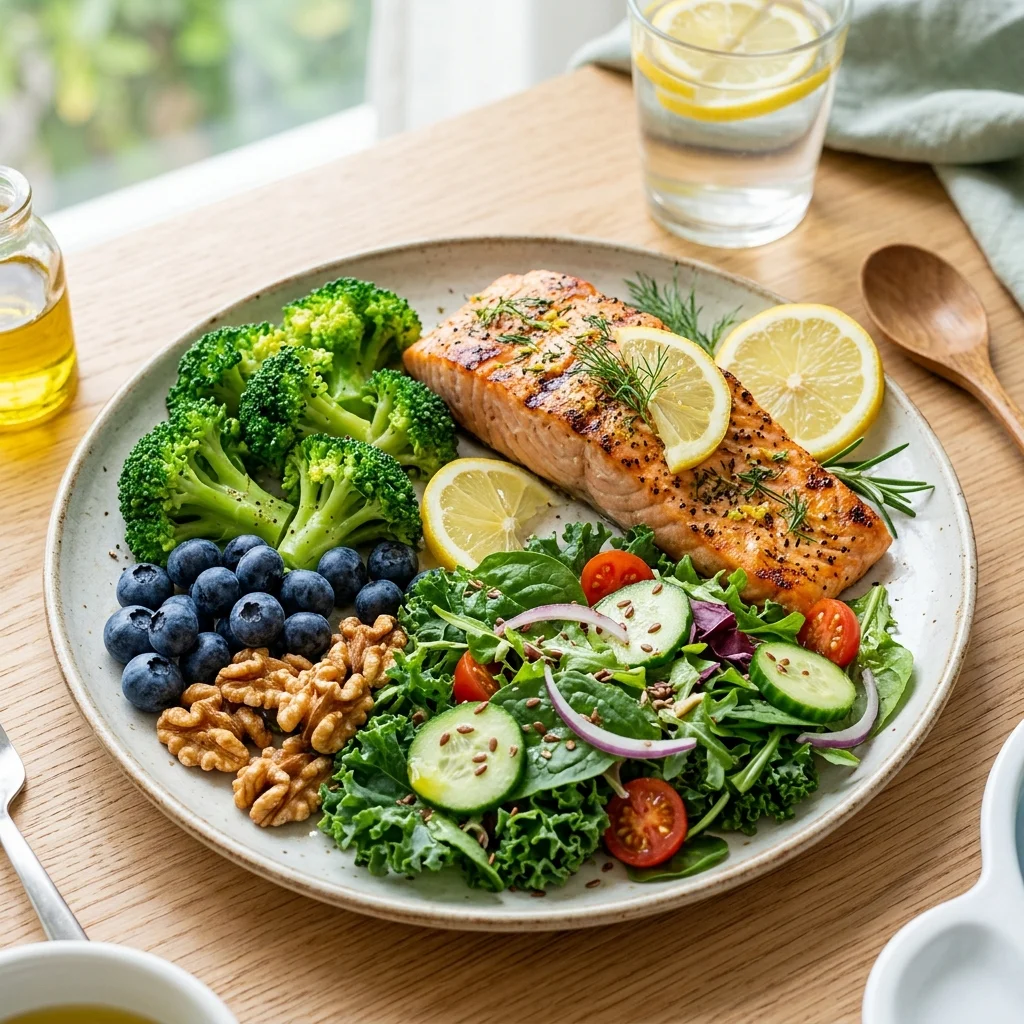
Vegetables:Bottle gourd, ridge gourd, spinach, broccoli, cabbage, cucumber, carrots
Grains:Oats, dalia, quinoa, bajra, jowar, ragi, brown rice, multigrain roti
Proteins:Dal, low-fat paneer, egg whites, grilled chicken, fish
Fruits:Apple, guava, papaya, orange, berries (in moderation)
Healthy Fats:Almonds, walnuts, flaxseeds, chia seeds (small quantities)
Foods to Strictly Avoid
- Sugar-sweetened beverages, soft drinks, packaged juices
- Fried foods, street food, bakery items, maida products
- Sweets, ice cream, excess sugar
- Excess white rice and refined flour
- Red meat and processed meats
- Excess ghee, butter and cream
- Alcohol (complete abstinence recommended)
Exercise Recommendation
Aerobic Activity:Minimum 150 minutes per week of moderate-intensity aerobic activity (brisk walking, cycling, swimming) OR 75 minutes of vigorous activity
Resistance Training:Add resistance training 2 days per week
Disclaimer
This is a general educational guide based on current international and Indian guidelines (AASLD, EASL, INASL). Individual requirements may vary according to liver reports, body weight, diabetes and other medical conditions. Please consult Dr. Rajendra Bhati for a personalised diet plan.
Frequently Asked Questions
A safe rate of weight loss is 0.5 to 1 kg per week. Rapid weight loss (exceeding 1.5 kg/week) should be avoided as it can paradoxically worsen hepatic inflammation.
A weight loss of ≥ 5% reduces liver fat (steatosis); 7–10% improves liver inflammation (MASH/NASH); and ≥ 10% may improve or reverse liver fibrosis.
Alcohol adds significant oxidative stress and toxic burden on liver cells already loaded with fat, accelerating progression toward cirrhosis.
Nutrition notes
- A sustained weight loss of 7–10% of total body weight is essential to resolve liver cell inflammation (MASH/NASH).
- Follow a Mediterranean-style dietary pattern adapted to traditional Indian wholesome foods.
- Completely abstain from alcohol consumption, particularly when hepatic fibrosis or elevated enzymes are present.
- Schedule periodic LFT blood testing and FibroScan screening with Dr. Rajendra Bhati to monitor liver fat regression.
Share Diet Plan
Related Clinical Services
Related Diet Plans
Celiac Disease Diet Plan (Patient Nutrition Guide)Liver Cirrhosis Diet Plan (Dr. Rajendra Bhati Standard)Low FODMAP Diet PlanCirrhosis Diet PlanPersonalized Gastro Diet PlanLow & High FODMAP Foods Chart for Indian DietDiet Chart for Weight Loss (1200 Kcal, 1600 Kcal & 2000 Kcal)GERD & Acidity Diet Plan
Need a Customized Diet?
Consult Dr. Bhati to structure nutrition guides mapped to your laboratory screening reports.