
Therapeutic Diet Guide
Low & High FODMAP Foods Chart for Indian Diet
A complete guide to Low and High FODMAP foods tailored for Indian cuisine to manage IBS.
Patient education — medical review pendingWebsite updated: 5 October 2026
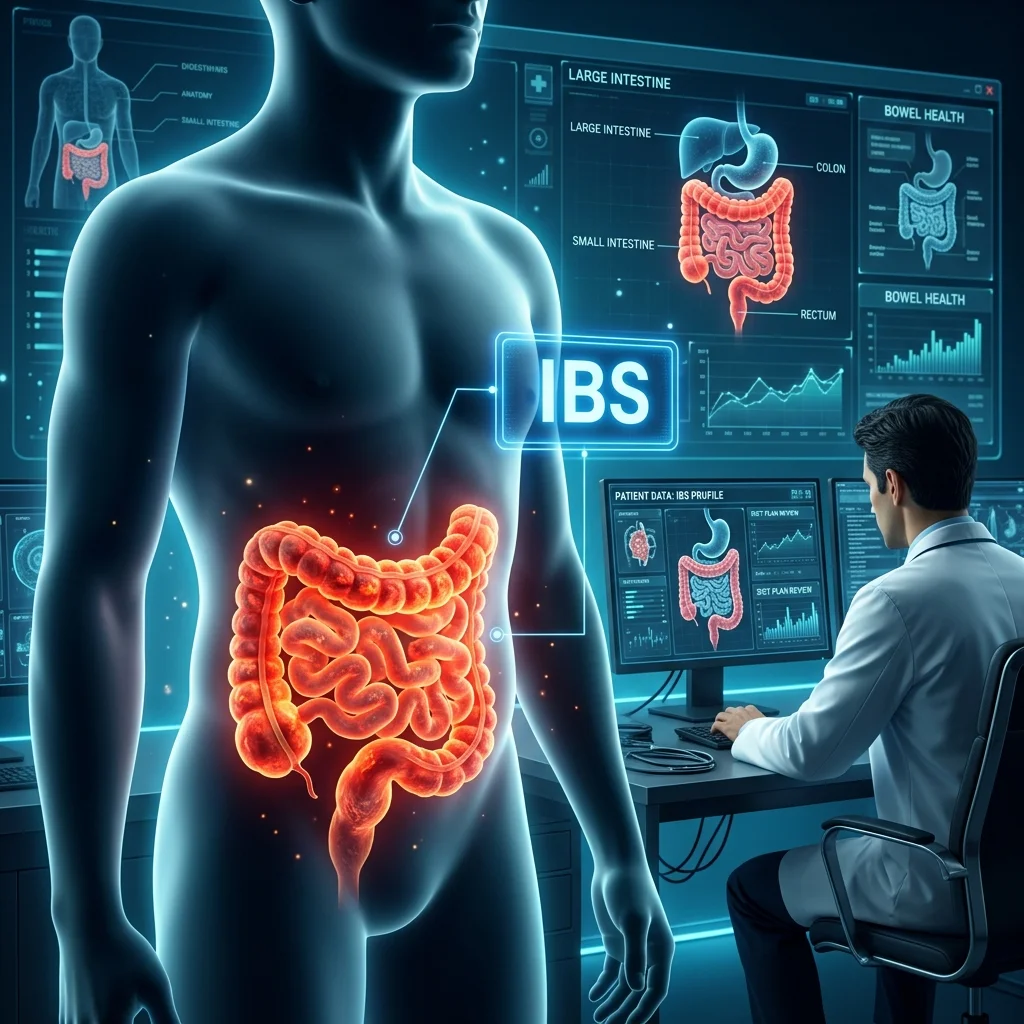
Diet Introduction
FODMAPs are fermentable short-chain carbohydrates poorly absorbed by the small intestine, causing gas, bloating, and gut pain in IBS patients. This chart is specifically tailored for Indian food habits — helping you identify safe and trigger foods.
Who Should Follow This Diet?
Patients diagnosed with Irritable Bowel Syndrome (IBS)
Anyone with chronic bloating, abdominal gas, or altered bowel habits
People with gut hypersensitivity or functional bowel disorders
Foods to Eat
- Low FODMAP Fruits: Bananas (unripe), oranges, papaya, pineapple, strawberries, kiwi
- Vegetables: Carrots, spinach, bell peppers, green beans, pumpkin, eggplant
- Grains: Rice (white/brown), quinoa, gluten-free oats, corn flour, millet
- Proteins: Chicken, fish, eggs, paneer (moderate), tofu
- Dairy alternatives: Lactose-free milk, almond milk, coconut milk, ghee, butter
Foods to Avoid
- High FODMAP Fruits: Mango, apples, watermelon, chikoo (sapodilla), guava, lychee
- Vegetables: Cauliflower, broccoli, onions, garlic, mushrooms, peas
- Grains: Wheat, barley, rye, suji (semolina), maida (refined flour)
- Legumes: Chickpeas, kidney beans (rajma), soya beans, black gram (urad dal)
- Processed snacks and deep-fried foods (pakoras, samosas)
Calorie Meal Plan & Daily Options
| Meal | Recommended Options |
|---|---|
| Breakfast | Gluten-free oats with unripe banana and coconut milk, or a simple rice khichdi. |
| Lunch | White/brown rice, soaked-and-cooked mung dal, steamed carrots and spinach sabzi. |
| Evening Snack | A small handful of peanuts, almonds, or plain gluten-free rice cakes. |
| Dinner | Corn roti (makki ki roti), brinjal/capsicum sabzi with minimal ghee. |
Frequently Asked Questions
The elimination phase typically runs for 2-6 weeks, followed by a systematic reintroduction of food groups one at a time.
No — it is a diagnostic and symptom-management tool. Most patients develop a personalized long-term plan with their gastroenterologist.
Nutrition notes
- Follow a strict 2-6 week elimination phase before reintroduction.
- Replace onion and garlic with cumin and fennel — equally flavorful and gut-safe.
- Keep a food-symptom diary to track your personal trigger foods.
Share Diet Plan
Related Clinical Services
Related Diet Plans
Need a Customized Diet?
Consult Dr. Bhati to structure nutrition guides mapped to your laboratory screening reports.