
GERD & Acidity Diet Plan
Based on ACG (American College of Gastroenterology) Guidelines and Evidence-Based Recommendations
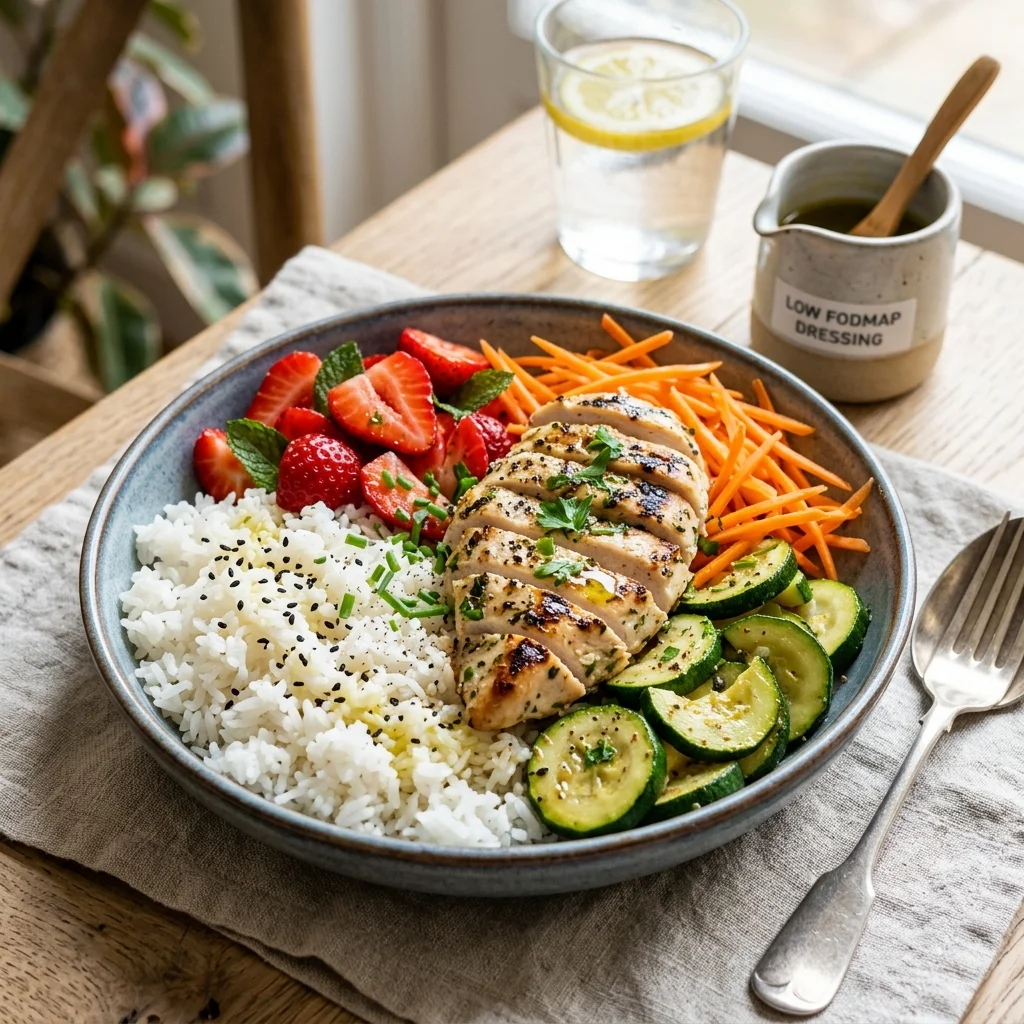
Diet Introduction
Gastroesophageal Reflux Disease (GERD) and chronic acidity cause stomach acid to flow back into the esophagus, producing heartburn, chest discomfort, and mucosal irritation. Following structured dietary modifications and lifestyle protocols is proven to prevent acid reflux episodes and promote esophageal healing.
Who Should Follow This Diet?
Based on ACG (American College of Gastroenterology) Guidelines and Evidence-Based Recommendations
Dr. Rajendra Bhati – Gastroenterologist & Liver Specialist, Jodhpur
Key Lifestyle Recommendations
Sample Daily Meal Plan
Early Morning
Breakfast
Mid-Morning
Lunch
Evening Snack
Dinner (Light & Early)
Foods to Prefer
Foods to Strictly Avoid / Limit
- Fatty and fried foods
- Spicy and masala-heavy foods
- Citrus fruits (orange, lemon, mosambi, pineapple) and their juices
- Tomato and tomato-based products (sauce, ketchup, soup)
- Chocolate and cocoa products
- Coffee, strong tea, and caffeinated drinks
- Carbonated soft drinks
- Alcohol
- Mint (pudina) and mint products
- Onion and garlic (if they trigger symptoms)
- Late-night heavy meals
- Curd
Additional Tips
Disclaimer
This is a general educational guide based on current evidence and ACG recommendations. Individual triggers may vary. Please consult Dr. Rajendra Bhati for personalised advice, especially if symptoms persist or are severe.
Frequently Asked Questions
Nutrition notes
- Lose weight if overweight or obese — weight reduction is the single strongest evidence-based lifestyle intervention to reduce intra-abdominal pressure and acid reflux.
- Finish your last meal at least 2 to 3 hours before going to bed to ensure stomach emptying before lying down.
- Elevate the head end of your bed by 6 to 8 inches (especially for patients with Hiatus Hernia or Lax LES) to prevent nocturnal acid regurgitation.
- Eat 5 to 6 smaller, frequent meals throughout the day rather than 2 or 3 large, heavy meals.
- Maintain an upright posture for at least 30 to 45 minutes post meals and completely abstain from tobacco smoking and excessive alcohol.
Share Diet Plan
Related Clinical Services
Related Diet Plans
Need a Customized Diet?
Consult Dr. Bhati to structure nutrition guides mapped to your laboratory screening reports.