
Low FODMAP Diet Plan
Scientific Diet to Relieve IBS, Chronic Bloating, and Gas.
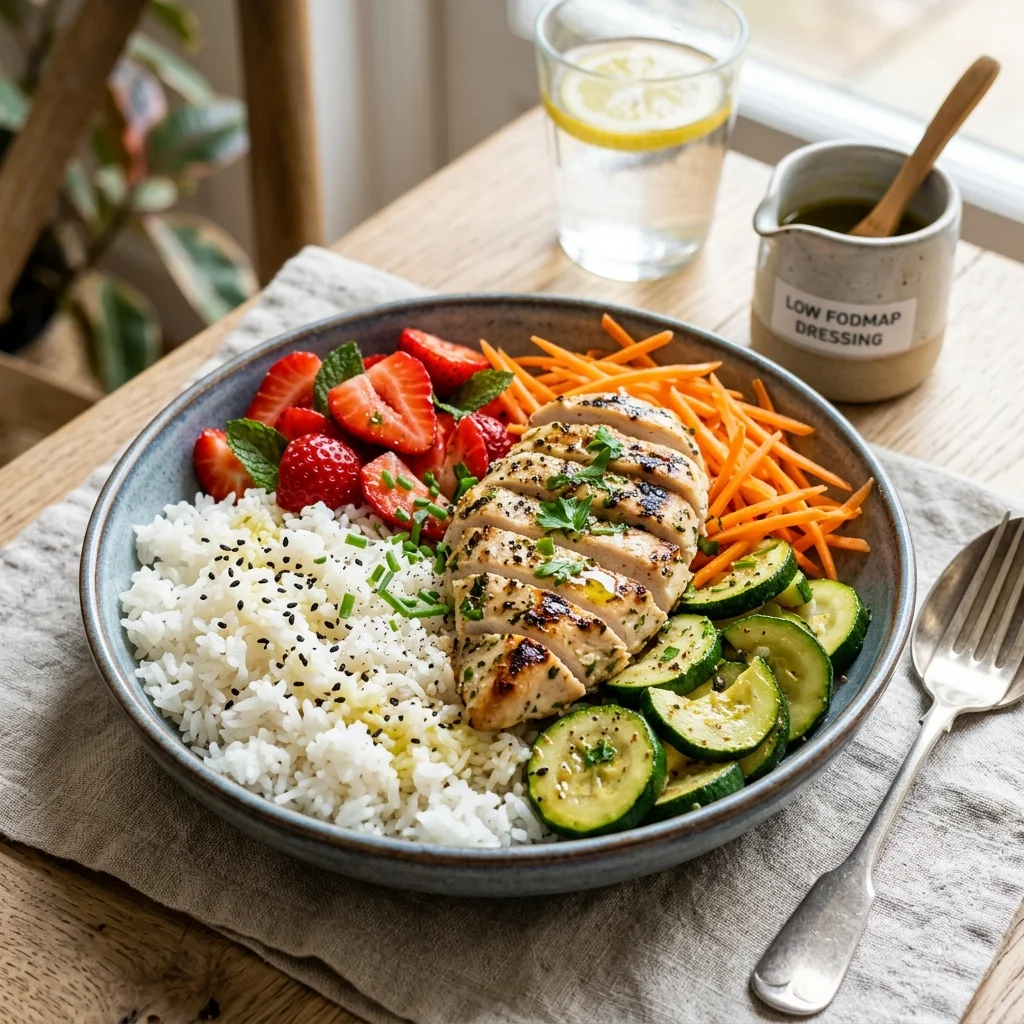
Diet Introduction
FODMAPs are short-chain carbohydrates that are poorly absorbed in the small intestine, leading to fermentation and pain in IBS patients. A Low FODMAP diet temporarily restricts these sugars to identify gut triggers.
Who Should Follow This Diet?
IBS Low-FODMAP Diet Guide: Indian Chart
Pathophysiological Mechanism
FODMAPs are poorly absorbed short-chain fermentable carbohydrates. In patients with IBS and visceral hypersensitivity, their osmotic effect increases small bowel water volume while rapid colonic fermentation produces excessive gas (H2, CH4, CO2). This results in bloating, pain, flatulence, and altered motility. Traditional Indian diets require deliberate swaps for onions, garlic, wheat rotis, and high-FODMAP tropical fruits.
INDIAN FOOD SELECTION & SUBSTITUTION TABLE (PHASE 1)
| CATEGORY | HIGH-FODMAP (FOODS TO RESTRICT / AVOID) | LOW-FODMAP (SAFE ALTERNATIVES / PORTIONS) |
|---|---|---|
| Indian Fruits | Mango (Aam), Watermelon (Tarbooz), Custard Apple (Sharifa), Apples (Seb), Pears (Nashpati), Ripe Guava in large portions, Raisins (Kishmish), Dates (Khajoor), Dried Figs (Anjeer) | Papaya (Papita - ripe, max 1 cup), Sweet Lime (Mosambi) & Oranges (Santra) - avoid if having acidity, Firm/greenish Bananas (Kela), Muskmelon (Kharbuja), Pomegranate (Anar - max ¼ cup/45g), Coconut water (max 100ml), Grapes |
| Vegetables (Sabzi) | Onion (Pyaz), Garlic (Lahsun), Cauliflower (Phool Gobhi), Green Peas (Matar), Mushrooms, Okra/Ladyfinger (Bhindi in large servings), Karela in large servings | Bottle Gourd (Lauki/Ghiya), Ridge Gourd (Turai), Pointed Gourd (Parwal), Ivy Gourd (Kundru), Carrots (Gajar), Cucumber (Kheera), Spinach (Palak), Methi, Tomatoes, Green spring onion tops |
| Grains & Flours (Atta) | Wheat (Gehun Atta, Maida, Suji/Rava), Barley (Jau), Rye, Wheat rotis, Parathas, Naan, Bakery white/brown bread, Wheat biscuits/rusks | White/Brown Rice (steamed), Sorghum flour (Jowar rotis), Rice flour rotis (Akki roti / Chawal ki roti), Bajra (moderate portion), Flattened rice (Poha), Puffed rice (Murmura), Rolled oats |
| Pulses & Lentils (Dal) | Kidney Beans (Rajma), Chickpeas (Chole / Kabuli Chana), Black Gram (Sabut Urad), Toor/Arhar dal in large portions, Whole Moong (sabut) | Yellow Moong Dal (split, washed - soaked thoroughly, max ½ cup cooked), Canned chickpeas/lentils (well rinsed, max ¼ cup), Firm Tofu, Light besan cheela (thin, single) |
| Dairy (Doodh & Dahi) | Cow/Buffalo Milk, Standard Dahi (Curd), Regular Chaas/Lassi, Fresh Paneer, Condensed milk, Khoya, Rabri, Kheer, Milk sweets | Lactose-free Milk, Lactose-free Dahi, Hard aged cheeses (Cheddar, Parmesan), Plain Almond Milk, Rice Milk (unsweetened) |
| Spices & Tadka | Garlic paste, Onion paste, Commercial curry powders/sambhar mixes containing onion/garlic powder, Dehydrated shallot powders | Asafoetida (Hing - check wheat binder), Fresh Ginger (Adrak), Cumin (Jeera), Mustard (Rai), Turmeric (Haldi), Coriander (Dhaniya), Carom (Ajwain), Garlic-infused oil |
| Proteins (Non-Veg) | Commercial kebabs/tikka marinated in thick onion-garlic paste; restaurant curries with onion-cashew gravies | Fresh Eggs (boiled, scrambled, omelet with tomato/green chili), Fresh Fish/Prawns, Chicken cooked in home ginger-tomato-turmeric gravy |
| Snacks & Nuts | Cashews (Kaju), Pistachios (Pista), Samosa, Kachori, Pakoras (onion-heavy, maida-based), Honey (Shahad), HFCS | Roasted Foxnuts (Makhana in ghee/salt), Peanuts (Moongfali - up to 25-30 nuts), Walnuts (Akhrot), Pumpkin seeds, Table sugar, Jaggery (Gud - moderate) |
| Beverages | High-sugar sodas, fruit juices with added HFCS, Chamomile tea, strong tea with high cow milk volume, Rum | Water (1.5–2 L/day), Warm ginger water, Peppermint tea, Black tea/coffee (moderate), Chai made exclusively with lactose-free milk |
THE 3-PHASE CLINICAL MANAGEMENT PROTOCOL
Strict Elimination
Strictly exclude high-FODMAP Indian items (onions, garlic, wheat, rajma, mangoes). Track pain scores and Bristol Stool Form daily. Proceed once symptom control is established.
Structured Reintroduction
Challenge one food group at a time in escalating doses over 3 consecutive days (e.g., small wheat roti, then medium roti) while maintaining a low-FODMAP baseline diet.
Diet Personalization
Liberalize diet by reintroducing all well-tolerated foods. Lifelong universal restriction is contraindicated to protect colonic Bifidobacterium and short-chain fatty acid production.
Indian Culinary Strategies for IBS
Garlic-Infused Oil (Hing Alternative): Fructans in garlic and onion are water-soluble but insoluble in fat. Fry garlic cloves in hot oil and remove the solid pieces before cooking to impart aroma safely.
Dal Preparation Rules: Soak yellow moong dal overnight, discard soaking water completely, and cook with cumin, turmeric, and ginger for optimal tolerability.
FODMAP Stacking Awareness: Combining multiple safe foods near their limit (e.g., coconut water + papaya + peanuts in one sitting) can breach the symptom threshold. Space meals 3–4 hours apart.
Fiber Protocol: IBS-C vs IBS-D
Soluble Fiber (Recommended): Ispaghula / Psyllium husk (start at 3–5 g/day, gradually titrate to 10 g/day with adequate water). Normalizes stool form in both IBS constipation and diarrhea with minimal gas.
Insoluble Fiber (Contraindicated): Coarse wheat bran, raw cruciferous salads, and raw flax seeds frequently exacerbate gas, distension, and visceral hyperalgesia.
Fluid Balance: Target 1.5–2.0 liters of clear fluid daily to support fiber transit.
SAMPLE 1-DAY LOW-FODMAP INDIAN TEMPLATE
Clinical Advisory: Derived from Sleisenger and Fordtran's Gastrointestinal and Liver Disease and international clinical gastroenterology consensus. This guide provides symptomatic dietary support and is not a substitute for clinical diagnosis. Diagnostic red flags (rectal bleeding, unexplained weight loss, nocturnal symptoms, onset > 50 years, family history of IBD or colorectal cancer) require comprehensive medical evaluation before commencing elimination diets.
Frequently Asked Questions
Nutrition notes
- Do not follow this diet permanently. It is designed to be an elimination protocol for 2-6 weeks, followed by a systematic reintroduction phase.
- Work with Dr. Bhati to track your reintroduction foods and isolate specific triggers.
- Support your gut during this phase with daily hydration (1.5-2 L/day) and stress management.
Share Diet Plan
Related Clinical Services
Related Diet Plans
Need a Customized Diet?
Consult Dr. Bhati to structure nutrition guides mapped to your laboratory screening reports.